Winter in Salt Lake City can bring freezing temperatures, snowfall, and extended periods of cold weather. When temperatures drop, your home's heating system becomes essential for maintaining comfort and protecting your family. However, waiting until the first freezing night to turn on your furnace can lead to unexpected breakdowns, expensive repairs, and uncomfortable indoor temperatures.
Preparing your heating system before winter arrives is one of the smartest ways to avoid these problems. From replacing air filters to scheduling professional inspections, a few preventive steps can help your furnace or heat pump operate safely and efficiently throughout the season.
Whether you have a traditional gas furnace or a modern heat pump, here's how Salt Lake City homeowners can get their heating systems ready for winter.
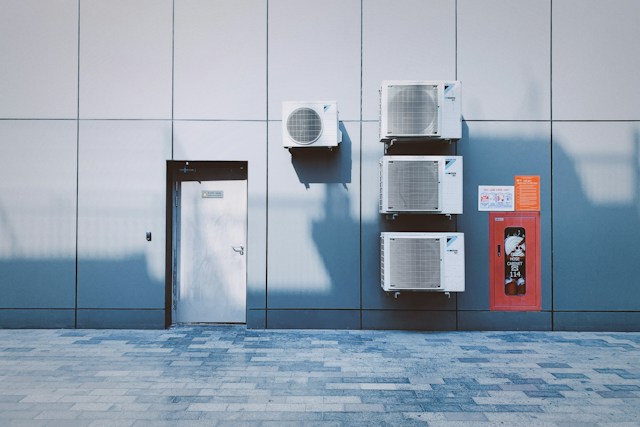
1. Schedule Professional Heating System Maintenance
One of the most important steps in preparing your heating system is scheduling a professional inspection before winter begins. Over time, heating equipment can develop mechanical issues, dirty components, and airflow problems that affect performance.
A professional technician can inspect your system, identify potential concerns, and recommend necessary repairs before temperatures become extremely cold.
A typical heating maintenance appointment may include:
-
Inspecting furnace burners and ignition components.
-
Checking electrical connections and safety controls.
-
Cleaning or inspecting blower components.
-
Testing thermostat operation.
-
Inspecting heat exchangers.
-
Checking airflow and system performance.
Scheduling heating service in Salt Lake City before the winter rush can help reduce unexpected breakdowns and keep your home comfortable.
2. Replace or Clean Your Furnace Air Filter
A dirty air filter can restrict airflow, making your heating system work harder to distribute warm air throughout your home. This can reduce efficiency, increase energy consumption, and potentially cause your furnace to overheat.
Before winter arrives, inspect your air filter and replace it if necessary.
Follow these simple steps:
-
Locate the air filter compartment.
-
Check the filter for accumulated dust and debris.
-
Replace disposable filters according to the manufacturer's instructions.
-
Make sure the replacement filter has the correct dimensions.
-
Install the filter in the direction indicated by the airflow arrow.
During periods of heavy heating use, check your filter monthly. A clean filter supports better airflow and helps maintain indoor air quality.
3. Test Your Thermostat Before Temperatures Drop
Your thermostat controls when your heating system operates. If it isn't functioning correctly, your home may experience inconsistent temperatures or unnecessary heating cycles.
Before winter starts, switch your thermostat to HEAT mode and raise the temperature a few degrees above the current indoor temperature.
Check whether:
-
The heating system starts normally.
-
The thermostat displays the correct temperature.
-
The furnace responds to temperature adjustments.
-
Programmable schedules are configured correctly.
-
Batteries are replaced when necessary.
Consider upgrading to a programmable or smart thermostat if your current model is outdated. These devices can help manage heating schedules and reduce unnecessary energy consumption.
4. Inspect Your Heating Vents and Air Ducts
Blocked or dirty vents can prevent warm air from circulating properly. Even when your furnace is working correctly, restricted airflow may leave certain rooms colder than others.
Walk through your home and inspect every supply and return vent.
Make sure you:
-
Remove furniture, rugs, and other obstructions.
-
Check vents for visible dust buildup.
-
Keep return air grilles unobstructed.
-
Look for disconnected or visibly damaged ductwork.
-
Pay attention to rooms that consistently feel colder.
If certain areas remain uncomfortable, professional ductwork or airflow inspection may help identify the underlying issue.
5. Check Your Furnace for Unusual Noises and Warning Signs
Your heating system may provide warning signs before experiencing a complete breakdown. Identifying these symptoms early can help prevent more serious problems during winter.
Watch for these common warning signs:
-
Banging or rattling sounds during startup.
-
Unusual burning or electrical odors.
-
Frequent cycling on and off.
-
Weak airflow from heating vents.
-
Cold air coming from the registers.
-
Unexpected increases in heating bills.
Never ignore suspected gas leaks or carbon monoxide alarms. Leave the property immediately if you suspect either hazard and contact the appropriate emergency services or gas utility from a safe location.
If your furnace displays persistent warning signs, arrange professional furnace repair rather than attempting complicated repairs yourself.
6. Prepare Your Heat Pump for Utah's Winter Weather
Many Salt Lake City homes use heat pumps to provide both heating and cooling. These systems require proper maintenance to perform efficiently during colder months.
Before winter, check that your outdoor heat pump unit is free from leaves, branches, and other debris. Maintain the manufacturer's recommended clearance around the unit and avoid damaging its coils or fins.
Additional preparation includes:
-
Checking thermostat settings.
-
Inspecting indoor air filters.
-
Keeping outdoor airflow unobstructed.
-
Scheduling professional heat pump maintenance.
-
Monitoring unusual noises or changes in performance.
Heat pumps operate differently from traditional furnaces, so professional servicing is important for maintaining reliable heating performance during Utah's cold weather.
7. Improve Your Home's Heating Efficiency
Preparing your heating system isn't just about inspecting equipment. Improving your home's insulation and reducing heat loss can also help maintain comfortable indoor temperatures.
Consider these simple improvements:
-
Seal gaps around windows and exterior doors.
-
Install weatherstripping where needed.
-
Add insulation to appropriate attic spaces.
-
Close curtains at night to reduce heat loss.
-
Keep interior doors open when needed for proper airflow.
-
Use a consistent thermostat schedule.
These improvements can reduce unnecessary heating demand and help your HVAC system operate more efficiently.
Key Takeaways
Preparing your heating system before winter can make a significant difference in comfort, safety, and performance.
Here are the most important steps to remember:
-
Schedule professional heating maintenance before winter.
-
Replace dirty furnace filters regularly.
-
Test your thermostat and heating controls.
-
Keep vents and return grilles unobstructed.
-
Address unusual furnace noises and performance issues early.
-
Inspect and maintain heat pumps before cold weather.
-
Improve insulation and seal air leaks.
-
Consider professional repairs when your heating system shows warning signs.
Frequently Asked Questions (FAQs)
1. When should I prepare my heating system for winter in Salt Lake City?
Ideally, schedule heating maintenance in early fall, before temperatures begin dropping significantly. This gives you time to address potential problems before the busiest heating season.
2. How often should a furnace be serviced?
Most residential furnaces should receive professional maintenance once a year. Annual inspections help identify developing issues and maintain reliable operation.
3. Can a dirty air filter affect heating performance?
Yes. A clogged filter restricts airflow, making your furnace work harder. It can also contribute to overheating and system shutdowns.
4. How do I know if my furnace needs professional repair?
Frequent cycling, unusual noises, inconsistent heating, cold air from vents, and unexplained increases in energy bills can indicate a problem requiring professional attention.
5. Do heat pumps need maintenance before winter?
Yes. Heat pumps should receive regular professional maintenance because they operate throughout the year. Many manufacturers and HVAC professionals recommend servicing them twice annually.
6. Can heating maintenance reduce energy bills?
Proper maintenance can help improve system performance and reduce energy waste. Actual savings depend on your equipment's condition, efficiency, usage, and home insulation.
Conclusion
Preparing your heating system for winter in Salt Lake City doesn't have to be complicated. By replacing air filters, inspecting vents, testing your thermostat, improving insulation, and scheduling professional maintenance, you can reduce the risk of unexpected heating problems when temperatures drop.
Whether your home relies on a traditional furnace or an energy-efficient heat pump, preventive care helps maintain comfort and reliable performance throughout Utah's winter season.
Zephyr Heating & Cooling provides professional furnace repair, furnace maintenance, furnace replacement, and heat pump services for homeowners throughout Salt Lake City and surrounding communities. With experienced technicians, honest recommendations, and 24/7 emergency support, the team can help you prepare your heating system for colder weather.
Don't wait until your furnace stops working on the coldest night of the year. Call Zephyr Heating & Cooling at (801) 471-0091 to schedule your heating service and enjoy a warmer, more comfortable home this winter.